
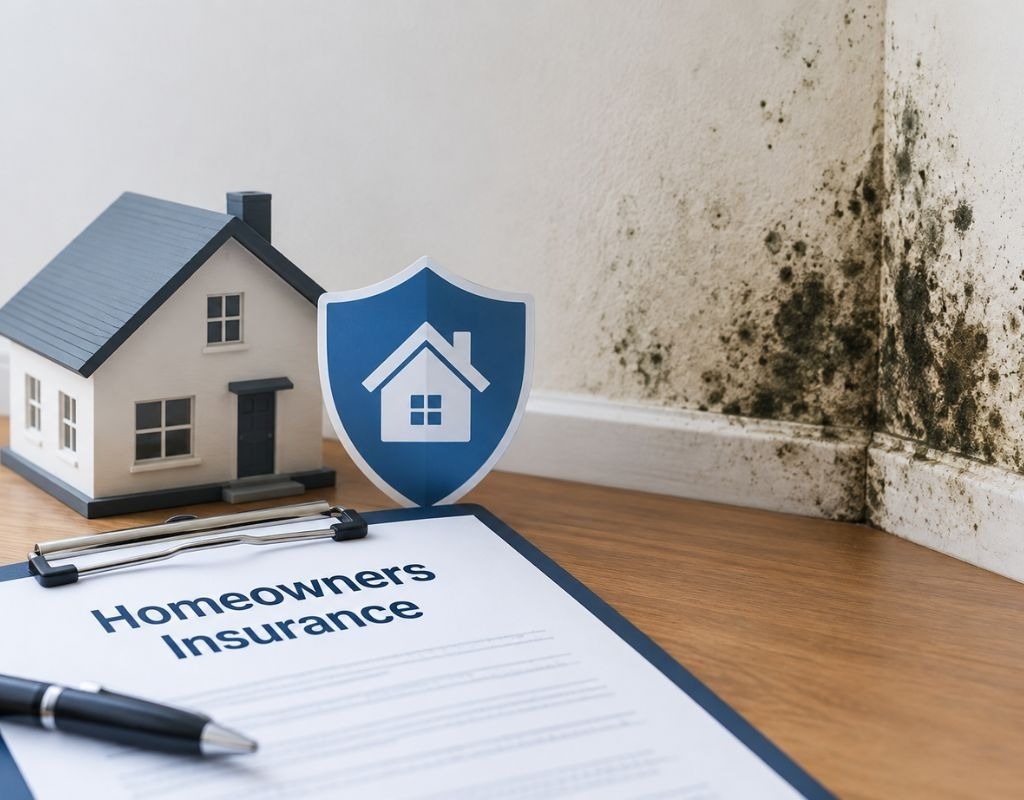
Mold can cause visible property damage, unpleasant odors, and concerns about moisture inside a home. When mold appears after a leak or water-related event, homeowners often wonder whether their insurance will cover cleanup and repairs. Coverage depends on the cause of the mold, policy terms, exclusions, endorsements, limits, and the evidence supporting the loss.
For Georgia property owners facing a substantial property loss of $250,000 or more, understanding the source of the damage and reviewing the applicable policy provisions can be especially important. Property owners searching for a Public Adjuster in Cherokee County, GA may also need to consider the complexity of the loss, documentation requirements, and the level of professional claim assistance required.
Complex mold and water damage claims may require detailed documentation, accurate scope-of-loss development, and careful evaluation of the policy and circumstances surrounding the loss. Hunter Public Adjusting Corp. focuses exclusively on high-value residential and commercial property insurance claims that meet its qualifying claim threshold within its Georgia service areas. The firm’s focus is on substantial, complex losses where detailed claim preparation and experienced insurance claim advocacy can play an important role in presenting a well-supported claim.
When May Homeowners Insurance Cover Mold?
Homeowners insurance may cover mold when it results from a sudden and accidental event that is covered by the policy. The policy may provide protection for resulting damage, subject to its terms, conditions, exclusions, deductibles, and applicable limits.
For example, a pipe may unexpectedly burst and release water into a wall, ceiling, or floor. If the resulting water damage is covered, mold that develops because of that event may also be considered as part of the claim, depending on the specific policy language.
Situations that may involve potential coverage include:
- Mold following a sudden plumbing failure
- Mold resulting from a covered water loss
- Mold associated with water used to extinguish a covered fire
- Mold discovered after an insured event causes hidden moisture
Coverage is not automatic. A policy may contain mold exclusions, specific sublimits, deductibles, or conditions that affect what the insurer may pay.
For a substantial property claim in Georgia, the financial impact of coverage limitations can be significant. Property owners should carefully document the full extent of the damage rather than assuming that only visible mold or the immediate remediation cost represents the entire loss.
When Might Mold Damage Be Excluded?
Mold can develop from causes that are not necessarily covered by standard homeowners insurance. Long-term moisture, maintenance issues, and gradual deterioration may create coverage concerns.
A claim may be limited or denied when mold is associated with:
- Long-standing plumbing leaks
- Poor ventilation
- Persistent humidity or condensation
- Repeated water intrusion
- Delayed maintenance
- Neglected repairs
- Certain types of flooding
A slow leak left unresolved may be treated differently from mold caused by a sudden pipe rupture. The policy and facts surrounding the loss determine how the insurer evaluates the claim.
When a loss reaches a substantial value, determining the cause and documenting the resulting property damage can become particularly important. A significant claim may involve structural materials, finishes, contents, remediation, reconstruction, and other related components that require a detailed evaluation.
Why the Source of Mold Matters
The presence of mold alone does not necessarily establish insurance coverage. Insurers may investigate what caused the moisture, when it occurred, how quickly the problem was discovered, and whether the policy covers the underlying event.
Homeowners should preserve evidence showing the property condition and sequence of events.
Useful documentation may include:
- Photographs of visible mold and water damage
- Videos showing affected areas
- Plumbing or repair records
- Inspection reports
- Moisture assessment results
- Contractor estimates
- Remediation documentation
- Receipts for damaged personal property
Record when the incident occurred, when damage was discovered, when mold was noticed, and what steps followed. A detailed timeline can provide useful context during the claim process.
For a high-value claim, documentation should also help establish the complete scope of the property loss, not simply the cost of mold removal. Depending on the circumstances, hidden moisture may affect drywall, flooring, insulation, cabinetry, ceilings, framing, finishes, and other building components.
What Should You Do After Discovering Mold?
Prompt action can help limit additional property damage and preserve information about the loss. If possible, identify the moisture source and address it safely.
Homeowners should notify the insurance company according to the requirements in their policy. Some policies establish specific procedures or deadlines for reporting losses.
Document damaged materials before removal when reasonably possible. If immediate removal is necessary, photograph them and keep records.
After discovering mold, consider these steps:
- Stop or repair the source of moisture when safe
- Photograph affected rooms and materials
- Separate damaged belongings when appropriate
- Keep invoices for emergency work
- Save communication with contractors and insurers
- Follow the policy’s claim reporting requirements
- Keep copies of claim-related documents
These steps can help create a clear record of what happened and how the property was affected.
For a substantial loss in Georgia, maintaining a comprehensive record can be particularly valuable because the claim may involve multiple categories of damage and significant repair or reconstruction costs.
Understanding a Mold Insurance Claim
A mold insurance claim can involve several components. The insurer may evaluate the original water event, extent of property damage, remediation costs, and whether policy exclusions or limits apply.
The claim may involve drywall, flooring, insulation, cabinetry, ceilings, personal belongings, or other materials. Additional living expenses may also be relevant if covered damage makes the home temporarily unsuitable for occupancy.
Accurate documentation helps establish the scope of the loss. Homeowners should not assume every mold-related expense will be covered. Instead, review applicable policy provisions and maintain records supporting each expense.
For substantial claims, scope-of-loss modeling and detailed damage documentation can become increasingly important. A high-value property loss may extend well beyond the visible area where mold was discovered. The underlying water event and resulting damage should be evaluated as part of the overall claim.
What Does Mold Coverage Include?
Mold coverage varies by policy. Some homeowners policies may provide limited coverage when mold results from a covered event. Others may exclude mold-related losses except where a specific endorsement or provision applies.
Review the policy for:
- Mold or fungi exclusions
- Water damage provisions
- Mold-related sublimits
- Endorsements that modify coverage
- Deductibles
- Conditions after a loss
- Requirements for preventing further damage
A sublimit may cap mold-related expenses. The dwelling coverage limit does not necessarily apply to every type of damage.
For high-value claims, policyholders should also consider how exclusions, sublimits, deductibles, and other provisions may affect the overall value of the claim.

How Can a Mold Public Adjuster Help?
A public adjuster works for the policyholder during the insurance claim process. Depending on the claim, they may review policy provisions, document property damage, prepare claim information, organize supporting evidence, and communicate with the insurance company.
Complex property losses may require detailed damage assessment, scope development, documentation, and negotiation with the insurer. Hunter Public Adjusting Corp. specializes in high-value residential and commercial property claims that meet its qualifying claim threshold, focusing on substantial losses that require detailed documentation and experienced claim advocacy.
A public adjuster is not an attorney and cannot provide legal advice or legal representation. Policyholders with legal questions should consult an appropriately licensed attorney.
Homeowners can review professional public adjuster resources for additional information. For Georgia insurance regulation and licensing requirements, they can also consult the Georgia Office of the Commissioner of Insurance.
When Should You Consider Professional Claim Assistance?
Professional claim assistance may be useful when a mold-related loss is extensive, complicated, or disputed. It can be particularly relevant when a property loss reaches a high-value threshold and involves multiple areas, substantial reconstruction, or extensive documentation.
Consider seeking assistance when:
- The cause of mold is disputed
- Water damage and mold affect multiple rooms
- Structural materials require extensive remediation
- The insurer references exclusions or sublimits
- Repair estimates vary significantly
- The claim requires substantial documentation
- The total property loss may exceed the qualifying threshold
- The claim involves significant residential or commercial property damage
The goal is accurate documentation, a properly developed scope of loss, and organised claim information that allows the policyholder’s position to be clearly presented to the insurer.
Serving Georgia Property Owners With High-Value Property Claims
Hunter Public Adjusting Corp focuses on high-value residential and commercial property insurance claims throughout its designated Georgia service areas.
This focused approach allows the firm to dedicate its resources to substantial and complex property losses rather than high-volume, low-severity claims. When a major water or mold-related loss affects a property, the financial consequences can extend far beyond the initial visible damage.
For Georgia property owners with a high-value insurance loss, experienced claim preparation and comprehensive documentation can be important components of pursuing a properly supported claim. Property owners seeking public adjuster services in Cherokee County, GA can learn more about available claim support and the process for handling complex property insurance losses.
Conclusion
Mold damage can raise questions about the source of moisture, policy coverage, exclusions, limits, and documentation. Understanding these factors can help homeowners approach the claim process with clearer expectations and better records.
When mold develops following a significant water or property loss, the financial impact may extend beyond remediation alone. A substantial property claim can involve structural damage, reconstruction, contents, business or residential impacts, and other components that require detailed evaluation.
If you have a $250,000 or greater residential or commercial property loss in a Hunter Public Adjusting Corp service area in Georgia, contact Hunter Public Adjusting Corp. to discuss your circumstances and available claim support options.
Frequently Asked Questions
Can a public adjuster help with water damage or mold?
A public adjuster may assist with a property insurance claim involving water damage or mold by helping document the loss, organise supporting records, prepare claim information, and communicate with the insurer when authorised. Whether mold-related damage is covered depends on the policy, cause of the loss, exclusions, limits, and other applicable terms.
Hunter Public Adjusting Corp. focuses exclusively on residential and commercial property insurance claims that meet its qualifying claim threshold in its designated service areas.
Can a public adjuster help after a denied mold claim?
A public adjuster may be able to review the claim documentation and help the policyholder organise information supporting the loss. However, a public adjuster cannot guarantee that a denied claim will be reopened or covered. The policy language, reason for denial, and facts surrounding the loss remain important.
For substantial property claims in Georgia, professional claim assistance may be considered when the loss is complex or significant documentation is required.
What documents do I need for a public adjuster?
Useful documents may include the insurance policy, photographs and videos of damage, repair estimates, invoices, inspection reports, remediation records, receipts, contractor correspondence, and communications with the insurance company.
For a high-value property loss, keeping these records organised can help establish the scope and value of a complex claim.
Will a public adjuster talk to my insurance company for me?
When properly authorised by the policyholder, a public adjuster may communicate with the insurance company on the insured's behalf. This can include sharing claim documentation, discussing the scope of damage, responding to information requests, and communicating about the claim during the adjustment process.
Hunter Public Adjusting Corp. provides this type of claim support for qualifying high-value residential and commercial property losses within its service areas.
What happens if my insurance claim is denied?
If a mold or water damage claim is denied, the policyholder should review the insurer's explanation and the relevant policy provisions. Gathering documentation about the cause, timing, and extent of the damage may help clarify the circumstances.
Depending on the situation, a policyholder may also consider professional claim assistance or legal advice. For substantial property losses, a detailed review of the documentation, scope of damage, and applicable policy provisions may be particularly important.
Important
Hunter Public Adjusting Corp | Georgia Public Adjuster License #: 3252220
THIS IS A SOLICITATION FOR BUSINESS. IF YOU HAVE HAD A CLAIM FOR AN INSURED PROPERTY LOSS OR DAMAGE AND YOU ARE SATISFIED WITH THE PAYMENT BY YOUR INSURER, YOU MAY DISREGARD THIS ADVERTISEMENT.
Disclaimer: Hunter Public Adjusting Corp provides commercial property damage assessment, documentation, and claim negotiation services for policyholders. We are not attorneys and do not provide legal advice or legal representation.


